Accessibility Statement for Gardeners Blackheath
 This Accessibility Statement explains how the Gardeners Blackheath website and related online content are designed to support a wide range of users, including people who rely on assistive technologies. We want visitors seeking accessible Gardeners Blackheath services to be able to explore information with confidence, whether they are using a desktop computer, tablet, or mobile device.
We are committed to meeting WCAG 2.1 AA compliance standards wherever possible. This means we aim to make content perceivable, operable, understandable, and robust. In practical terms, that includes readable text, sensible page structure, clear labels, and forms that are easier to use for people with different access needs. Our goal is to make the experience as inclusive as possible for the Blackheath community and beyond.
 This site is designed with screen-reader support in mind. Headings are used in a logical order, and content is arranged to help assistive technologies interpret the page correctly. We also aim to provide meaningful alternative text for important images so that users who cannot see the visuals still receive useful context. Where content changes dynamically, we try to ensure it remains understandable for all users.
Keyboard users should be able to navigate the site without needing a mouse. We aim to support keyboard navigation across menus, links, buttons, and form fields, with a visible focus state to show where the user is on the page. This helps people who use switch devices, voice input tools, or the keyboard alone. Our approach is to make every key interaction as straightforward as possible.
We also pay attention to colour contrast, text size, and layout consistency. These features help visitors with low vision, colour blindness, or cognitive access needs. In addition, we try to avoid content that flashes or moves unexpectedly. For people looking for garden accessibility in Blackheath, these design choices can make it easier to read information and move through the site comfortably.
Ongoing Accessibility Improvements
 Accessibility is an ongoing process rather than a one-time task. We regularly review our content and user journeys to improve clarity and usability. When we identify barriers, we work to reduce them and strengthen the experience for people using assistive technologies. This includes refining headings, improving link text, and checking interactive elements for accessibility issues.
Requests for Accessibility Support
If you encounter a barrier or need content in a different format, you can make an accessibility request through the usual contact route provided on the website. We welcome requests related to format changes, navigation difficulties, or other access needs. Where reasonable, we will consider adjustments that help make our Blackheath gardening content easier to use.
We ask that accessibility requests be as specific as possible so we can understand the issue clearly and respond appropriately. For example, you may describe a page that is difficult to read, a form that is hard to complete, or a feature that does not work well with assistive technology. We take these requests seriously and aim to improve the experience wherever practical.
We are also committed to reviewing accessibility as the site evolves. New pages, updates, and design changes are considered with usability in mind so that visitors can continue to access information about Blackheath gardeners and related services in a clear, inclusive way.
 This statement reflects our current approach and our intention to support users with diverse needs. While no website can be perfect, we are dedicated to making improvements that align with good accessibility practice and the principles of inclusive design. If you use assistive technology, we want your experience to be as smooth and reliable as possible.
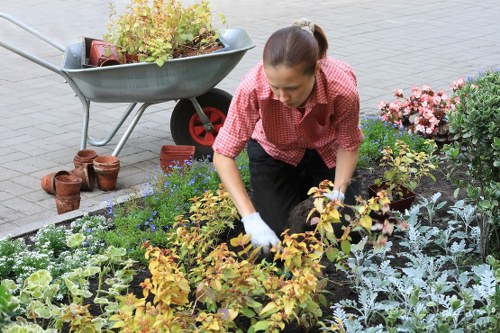 For residents and visitors searching for Gardeners Blackheath, accessibility matters because it helps more people access information independently. We will continue to review page structure, navigation, and content presentation so the site remains usable for everyone, including people who depend on screen readers, keyboard-only browsing, or other supportive tools.