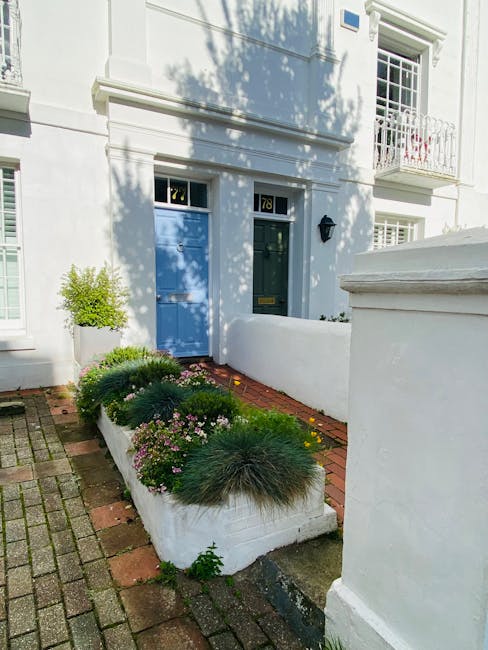
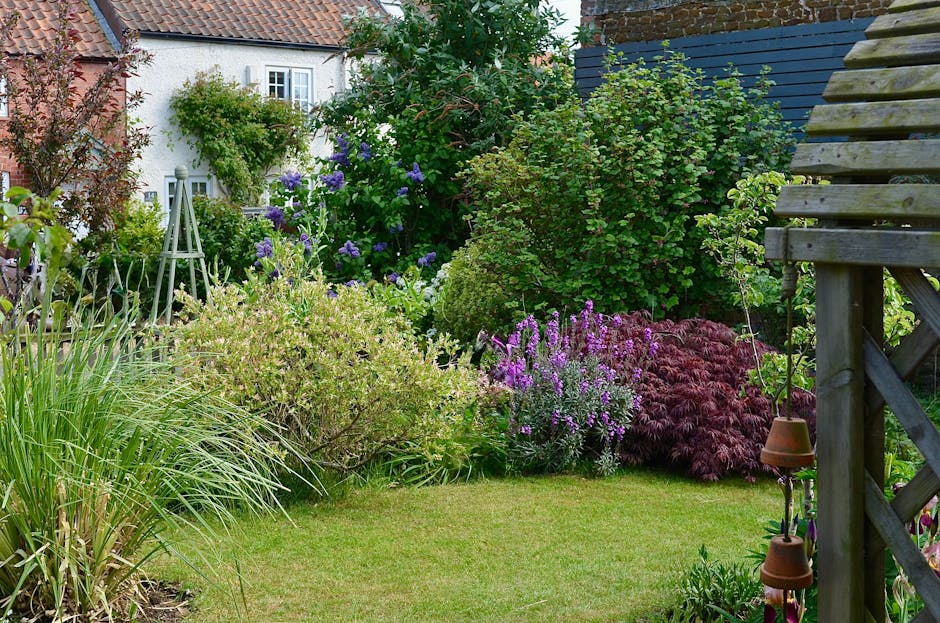
SE3 gardeners guide for small front gardens in Blackheath
If you have a small front garden in Blackheath, you already know the odd little challenges: not quite enough space, not quite enough time, and just enough visibility for the whole street to notice when it looks a bit tired. The good news? A compact front garden can still feel elegant, welcoming, and low-fuss when it is planned properly. This SE3 gardeners guide for small front gardens in Blackheath brings together practical layout advice, planting ideas, seasonal care, and a few local-minded design tricks that make a real difference.
In a place like Blackheath, front gardens often need to do several jobs at once. They should look tidy from the pavement, suit the character of the house, cope with London weather, and ideally not become a weekly maintenance headache. That is entirely doable. Let's map out what works, what doesn't, and where a sensible gardening approach can save you time, money, and a fair bit of frustration.
Table of Contents
- Why SE3 gardeners guide for small front gardens in Blackheath Matters
- How SE3 gardeners guide for small front gardens in Blackheath Works
- Key Benefits and Practical Advantages
- Who This Is For and When It Makes Sense
- Step-by-Step Guidance
- Expert Tips for Better Results
- Common Mistakes to Avoid
- Tools, Resources and Recommendations
- Law, Compliance, Standards, or Best Practice
- Options, Methods, or Comparison Table
- Case Study or Real-World Example
- Practical Checklist
- Conclusion
- Frequently Asked Questions
Why SE3 gardeners guide for small front gardens in Blackheath Matters
Small front gardens are often underestimated. Because they are small, people assume they are simple. Usually the opposite is true. Every choice is visible, and every mistake seems bigger than it really is. A narrow bed planted with the wrong shrubs can swallow the space. A patchy lawn can make the whole frontage look unfinished. A cramped path can feel awkward every time you step outside with the bins or the post.
Blackheath has its own feel, too. There is a mix of period homes, terraces, and converted properties, so front gardens need to complement architecture rather than fight it. A good design should also account for the realities of SE3 living: changing light levels, occasional wind funnelled between houses, and the sort of rain that arrives all at once and then pretends nothing happened.
This guide matters because a front garden is not just decoration. It affects first impressions, daily convenience, and even how much you enjoy coming home. If the space works, you notice. If it does not, you notice that too.
For homeowners who want a broader refresh rather than a simple tidy-up, it can help to look at broader gardening services and ongoing garden maintenance support, especially where regular care is needed to keep a small plot looking crisp.
How SE3 gardeners guide for small front gardens in Blackheath Works
The basic principle is simple: make the space feel larger, cleaner, and more intentional than it physically is. In practice, that means using structure, repetition, and restraint. Not every corner needs filling. In fact, some of the best small front gardens use a little breathing room to make planting look more expensive and polished.
Here is the practical logic behind it:
- Start with function. Check how people enter the property, where the bins go, and whether the path is wide enough to walk comfortably.
- Choose a strong framework. Edges, low hedging, paving, or a compact fence line can give the garden shape.
- Use planting with purpose. Pick plants that are suited to the light, soil, and exposure rather than just what looks pretty on the label.
- Limit the palette. Two or three repeating plant types usually look neater than a crowded medley.
- Plan for upkeep. A small garden can become messy surprisingly fast, so low-maintenance choices often make the most sense.
There is also an outdoor rhythm to these spaces. A front garden gets seen in the morning, at dusk, in winter rain, and in bright summer light. That means texture matters. Evergreen structure, one or two seasonal highlights, and a clear hard-landscaping line can keep the garden looking composed all year.
If your front garden has awkward shade, you may want to explore evergreen climbers for shady spots or take inspiration from ground cover plants for UK gardens where space is tight and weeds are a nuisance.
Key Benefits and Practical Advantages
A well-planned small front garden brings more value than most people expect. Not in a dramatic, glossy-magazine kind of way. More in the quiet, everyday sense of making life smoother and the house feel cared for.
Here are the main benefits:
- Better kerb appeal. A neat frontage immediately lifts the look of the property.
- Less maintenance stress. Smart plant choices reduce pruning, watering, and constant replanting.
- More usable space. Good layout makes paths, bins, and access easier to manage.
- Improved privacy. Low hedges and planting can soften the view from the pavement without making the garden feel closed in.
- Year-round interest. Evergreen structure keeps the front garden from looking bare in colder months.
- Environmental value. Even a modest front garden can support pollinators and help soften hard surfaces.
There is also a practical money angle. A design that uses resilient plants and simple finishes tends to hold up better, which can reduce the need for frequent interventions. If you are trying to keep costs sensible, it is worth reading up on budget-friendly gardening ideas before you start buying plants on impulse. We have all done that one, and it rarely ends well.
Another often-overlooked advantage is drainage. Small gardens with too much paving can feel hot, bleak, or waterlogged depending on the season. A balanced approach helps the garden behave better, not just look better.
Who This Is For and When It Makes Sense
This kind of guidance is useful for a fairly wide group of people, and not only for enthusiastic gardeners. In truth, many of the people who benefit most are the ones who do not want to spend every Saturday deadheading something.
It makes sense if you are:
- a homeowner wanting a smarter-looking frontage without overcomplicating things
- a landlord who wants the property to present well with minimal hassle
- someone with a shaded or windy front garden that never seems to settle
- a family wanting a safe, tidy entrance with room for everyday traffic
- an older resident looking for something lower maintenance and easier to manage
- a new homeowner figuring out what to keep, prune, remove, or replace
This is also relevant if your front garden has become more of a holding area than a designed space. A few shrubs, a gate, and some tired paving can suddenly start to feel cluttered. That is usually the point where a proper plan pays off.
If the space has structural issues, awkward boundaries, or a lot of overgrown material, it may be worth considering wider landscaping support or even specific work such as fencing, tree surgery, or targeted hedge trimming in Blackheath.
Step-by-Step Guidance
If you are starting from scratch, or just trying to sort out a front garden that has drifted off course, it helps to work methodically. Small spaces reward good order.
1. Measure the space properly
Do not guess. Measure the width of the path, the depth of beds, and any pinch points near the door, gate, or bin area. A sketch on paper is enough. You are trying to understand where people actually move, not where you hope they move.
2. Decide the job of the garden
Ask yourself: do you want it to feel welcoming, private, formal, wildlife-friendly, or very low maintenance? You can have more than one goal, but one should lead. Otherwise the design starts drifting into a bit of everything and a lot of nothing.
3. Clear the clutter first
Before planting, remove dead growth, weeds, damaged pots, and anything that blocks the view of the space. If ivy has started to take over walls, fences, or the base of shrubs, it may need careful removal rather than a casual trim. A focused approach to removing ivy properly can save future headaches.
4. Build a simple structure
Use one or more of these:
- a low hedge for a tidy boundary
- a narrow path with clean edges
- a compact retaining line or border edging
- a small tree only if there is enough room and root clearance
- one focal point, such as a specimen plant or slim vertical feature
Try not to overfill the frame. Structure first, planting second. That order matters.
5. Choose plants for the conditions, not the wish list
Blackheath front gardens often deal with shade, reflected heat from paving, or breezy exposure. That means plant selection should be honest. For a soft, resilient look, consider evergreen shrubs, shade-tolerant perennials, compact grasses, herbs in containers, and ground covers that suppress weeds.
If you want to bring in useful edible planting, a beginner-friendly guide to growing herbs can help you keep things practical and attractive at the same time.
6. Use containers where ground space is limited
Containers are brilliant in small front gardens because they create height and movement without permanently eating into the floor area. They also let you experiment. One large pot near the door often works better than three cramped ones jammed together. Surprisingly often, less is more.
To understand the basics, it helps to read about container gardening before choosing pots, compost, and planting combinations.
7. Finish with seasonal maintenance
Once the layout is set, keep the edges crisp, the weeds down, and the plants shaped sensibly. Front gardens age quickly if they are ignored. A small amount of routine care every few weeks usually beats one frantic rescue mission in late summer. Ask anyone who has tried to "sort it next month."
Expert Tips for Better Results
There are a few things experienced gardeners tend to do almost automatically in small spaces. These are not glamorous tricks, but they work.
- Repeat plants. Repetition gives the eye something restful to follow.
- Keep the tallest elements near the house. This helps the space feel deeper and less boxed in.
- Use evergreen backbone planting. A front garden should never look empty in February.
- Trim with intent. Shaggy edges make a tiny garden feel smaller.
- Match materials. A few compatible finishes look calmer than a jumble of paving, gravel, and random pots.
- Leave some negative space. It gives the garden a more premium feel. Honestly, a bit of emptiness can be a very good thing.
Weather can shape your choices more than you expect. If your front garden is particularly exposed, it is worth planning around windy conditions in the garden and having a clear approach to severe weather protection. A sheltered plant can thrive; an exposed one can spend its life looking apologetic.
For a more serene feel, especially on compact plots, you could also borrow from simple zen-inspired garden ideas. That does not mean gravel and a stone lantern in every case. It can just mean clean lines, calm repetition, and less visual noise.
Common Mistakes to Avoid
Small front gardens fail for predictable reasons. The good news is that most of them are fixable.
- Overplanting. Too many species create clutter and constant pruning.
- Choosing plants too large for the space. A shrub that looks "compact" in a nursery pot can become a bully by year two.
- Ignoring the entrance route. If the walkway is awkward, the whole garden feels awkward.
- Using too much paving. It can make the area feel hard, hot, and visually small.
- Letting weeds establish. In compact beds, they spread fast and are easy to notice.
- Forgetting winter structure. Without evergreen bones, the garden disappears for months.
- Picking plants that need high maintenance. Gorgeous is nice. Constant rescue work, not so much.
One of the sneakiest mistakes is trying to solve every issue with a new plant. Sometimes the answer is better edging, a better pruning schedule, or a better layout. Not another shrub. Definitely not another shrub.
If weeds are becoming a recurring issue, it may be useful to compare your current routine with practical weed control tips. Small gardens need consistency more than drama.
Tools, Resources and Recommendations
You do not need a shed full of specialist kit to manage a small front garden well. A compact, reliable toolkit is usually enough.
| Tool or Resource | Why It Helps | Best Use in a Small Front Garden |
|---|---|---|
| Hand shears | Give neat control around borders and compact hedges | Small shaping jobs, tidy edges, and finishing cuts |
| Lightweight pruning secateurs | Useful for regular deadheading and trimming | Perennials, small shrubs, and twiggy growth |
| Spade or border fork | Helps with soil preparation and replanting | Refreshing beds and improving compacted ground |
| Watering can or hose with control nozzle | Lets you water accurately without waste | Containers and newly planted areas |
| Mulch | Helps retain moisture and suppress weeds | Beds, borders, and tree surrounds |
| Low, sturdy containers | Add structure without crowding | Entryways, steps, and narrow corners |
For anyone tackling bigger jobs, a professional guide to essential gardening tools is worth a look, especially if you want to avoid buying half the garden centre and regretting it later. It happens. More than people admit.
If the garden needs ongoing help rather than just a one-off tidy, pairing the right tools with consistent lawn care or lawn mowing can keep the frontage sharp without much fuss.
Law, Compliance, Standards, or Best Practice
For a small front garden, there is usually less formal regulation than people fear, but there are still sensible boundaries to respect. If the space fronts a pavement, shared access route, or boundary fence, any work should be carried out carefully and without creating trip hazards, obstructing access, or damaging neighbouring property.
Good practice also means being cautious with pruning near services, lights, walls, and boundary features. If a tree is involved, or the work is more than light trimming, it is better to treat that as specialist territory. Tree work in particular deserves proper judgement, and in some cases professional attention rather than a quick weekend attempt.
Safety matters too. Reputable gardening work should take basic risk control seriously, especially for ladders, tools, lifting, sharp equipment, and slippery surfaces. If you are choosing a contractor, it is reasonable to review insurance and safety information alongside their health and safety policy.
It is also worth checking practical terms before any work begins. Clear expectations help avoid awkward surprises, and that is true for both one-off jobs and regular upkeep. If you want to understand how service arrangements are handled, the site's terms and conditions and payment and security pages are sensible places to look. For service-related queries, the complaints procedure and accessibility statement also help build trust.
If you are unsure whether your front garden needs a light tidy, a redesign, or a more substantial intervention, that is exactly the kind of decision a local team can help you think through. There is nothing wrong with asking for a second opinion. In fact, that is usually the smart move.
Options, Methods, or Comparison Table
Different small front gardens need different approaches. The right answer depends on how much sunlight you get, how much maintenance you can realistically manage, and whether you want a neat decorative frontage or something more practical.
| Method | Best For | Strengths | Trade-Offs |
|---|---|---|---|
| Minimal planting with hard structure | Very small or formal front gardens | Easy to keep tidy, crisp visual effect | Can feel sparse if not balanced well |
| Mixed border planting | Homeowners who want seasonal colour | Flexible, attractive, wildlife-friendly | Needs more pruning and occasional refreshes |
| Container-led design | Very narrow spaces or paved fronts | Portable, adaptable, ideal for experimentation | Requires watering and feeding more often |
| Low hedge and evergreen framework | Properties needing privacy or boundary definition | Tidy, classic, year-round structure | Needs regular trimming |
| Wildlife-friendly compact planting | Gardeners wanting a softer natural feel | Pollinator value, gentler look, seasonal interest | Can look less formal unless designed carefully |
For a neat screen or boundary, a carefully chosen hedge can be surprisingly effective. If privacy is a concern, fast-growing privacy hedge ideas can help you compare options. And if the hedge itself needs shaping, the site's advice on hedge trimming shapes can be useful for keeping the look smart rather than blunt.
Case Study or Real-World Example
Consider a typical SE3 front garden: narrow path, a small lawn patch, one tired shrub, and a fence line that has seen better days. The owners want it to look welcoming without turning it into a full-time project. Not unusual at all.
The first move is usually to remove anything that is failing the space: leggy shrubs, invasive ivy, broken edging, and cluttered pots. That alone can change the feel of the frontage before anything new is planted. Next comes structure: a clean path edge, one low hedge or repeat planting line, and a couple of larger containers to frame the entrance.
Then the planting plan is kept tight. Instead of six different perennials and a mystery evergreen bought because it "looked fine at the garden centre," the design uses a repeat palette. One evergreen structure plant, one seasonal flowering plant, and one ground cover. It sounds simple because it is simple.
After a few months, the change is not just visual. The owners spend less time weeding, the path feels easier to use, and the garden looks deliberate in every season. On a damp November morning, that matters. The house feels cared for before anyone even opens the door.
In cases like this, the best results often come from combining a light redesign with ongoing garden maintenance and, where needed, patio cleaning to bring tired hard surfaces back into the overall design.
Practical Checklist
Use this checklist before you start. It keeps the project grounded.
- Measure the garden and note narrow access points.
- Decide the main purpose: tidy, private, wildlife-friendly, or low-maintenance.
- Remove dead growth, weeds, and unwanted clutter.
- Check for shade, wind, and drainage issues.
- Choose a limited plant palette that suits the conditions.
- Include evergreen structure for year-round appeal.
- Use containers where ground space is too tight.
- Keep pathways and entrances clear and comfortable.
- Mulch beds to reduce weeds and help retain moisture.
- Trim, deadhead, and tidy on a regular schedule.
- Review safety, access, and property boundaries before bigger work.
- Ask for professional help if the garden needs structural changes or heavy clearance.
That list may look simple, but it covers most of what makes a small front garden succeed. Do those things well and the rest gets easier.
Get a free quote today and see how much you can save.
Conclusion
A small front garden in Blackheath does not need to be grand to be beautiful. It needs to be considered. Once the structure is clear, the planting is matched to the conditions, and the upkeep is realistic, even a modest space can feel polished and welcoming.
That is really the heart of this SE3 gardeners guide for small front gardens in Blackheath: use the space with care, keep the design honest, and choose plants and materials that suit local life rather than fighting against it. A good frontage should make your day a little smoother every time you come and go. Simple as that, really.
If you would like help turning a tired front garden into something calm, tidy, and easy to live with, explore the relevant service pages, learn a bit more about the team on the about us page, and use the contact page to talk through the space. A little planning goes a long way, and sometimes that first step is the hardest one.
And once it is done, you will notice it every day. The good kind of noticing.
Frequently Asked Questions
What makes a small front garden in Blackheath different from a back garden?
A front garden has to work harder visually and practically. It is seen more often, needs clearer access, and usually has less room for experimental planting. It also needs to complement the house and street scene rather than just feel private and relaxed like a back garden can.
What are the best plants for a small front garden in SE3?
The best plants are usually compact, resilient, and suited to the amount of light you actually have. Evergreen shrubs, small ornamental grasses, shade-tolerant perennials, ground cover, and container-friendly herbs are all strong options when chosen carefully.
How do I make a tiny front garden look bigger?
Use repetition, clean edges, and a limited plant palette. Keep the path clear, avoid overcrowding, and create a sense of depth with structure near the house and lower planting at the front. A little open space helps more than people expect.
Is low-maintenance gardening realistic for a front garden?
Yes, absolutely. The key is choosing slow-growing or compact plants, using mulch, avoiding overplanting, and keeping a simple maintenance routine. Low-maintenance does not mean no maintenance, but it can be very manageable.
Should I use lawn in a small front garden?
Sometimes, but not always. In a very small space, lawn can feel impractical and can be harder to keep tidy. Many homeowners get better results from borders, gravel, containers, or a simple planting scheme with structured edging.
What if my front garden is shaded most of the day?
Shade is not a problem if you plan for it. Choose shade-tolerant plants, use evergreen structure, and avoid sun-loving species that will struggle. Climbers, ground cover, and some ferns or evergreen shrubs can do very well in shade.
How often should a small front garden be maintained?
A light tidy every couple of weeks is usually enough for a well-designed small garden, with seasonal pruning and a more thorough check-up a few times a year. The exact schedule depends on how much is planted and how fast it grows.
Can front gardens help with privacy?
Yes, to a degree. Low hedging, evergreen planting, and carefully placed containers can soften views from the street while still keeping the space open and welcoming. If you need more screening, a hedge-based approach may help.
Do I need professional help for a small front garden?
Not always, but professional help is useful if the space needs clearance, shaping, hedge work, boundary improvements, or a more thoughtful redesign. A small garden can look simple while still needing skilled work behind the scenes.
What should I avoid in a small front garden?
Avoid overcrowding, overly large shrubs, too much paving, and plants that need constant attention. Also avoid designs that ignore how people actually move through the space. Function comes first, then the pretty bits.
How can I keep weeds under control without spending all weekend on them?
Use mulch, keep planting dense enough to cover bare soil, and deal with weeds early before they root deeply. A regular five-minute check is often more effective than a big occasional clear-out. Small jobs stay small if you catch them early.
Where can I ask about services or next steps?
If you want to talk through the options for your garden, the best next step is to use the site's contact page and explain what the space currently looks like, what frustrates you, and what kind of finish you want. Clear information usually leads to better advice.