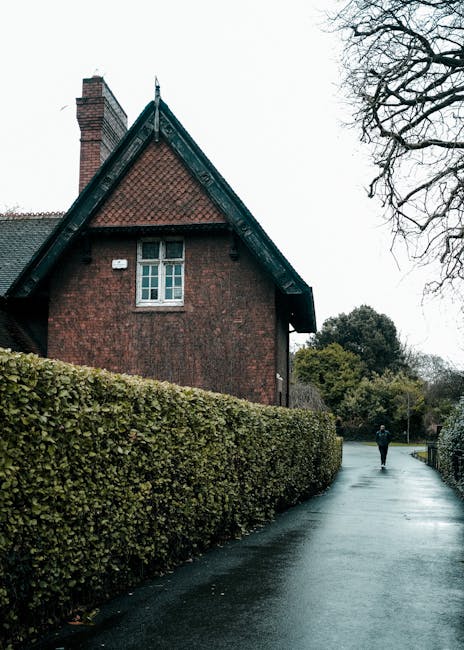
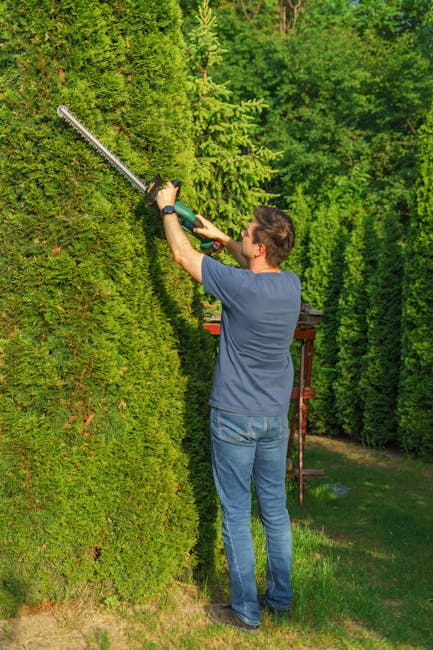
Gardeners Blackheath Village hedge care near Blackheath Station: practical, local hedge maintenance that actually works
If you are looking for Gardeners Blackheath Village hedge care near Blackheath Station, you are probably after something very specific: tidy, healthy hedges that do their job without becoming a weekly headache. Maybe the frontage is getting shaggy. Maybe the back garden feels cramped because a hedge has gone too wide. Or maybe you just want that clean, well-kept look you notice on a crisp walk through the village in the early morning. Either way, hedge care is one of those jobs that seems simple until it suddenly is not.
This guide breaks down how local hedge care works, what a good service should cover, how to judge quality, and which mistakes cause hedges to look thin, misshapen, or stressed. It also explains the practical side: timing, tools, maintenance rhythms, safety, and the small decisions that make a big difference over time. If you want a quick path to a smarter decision, you are in the right place.
Table of Contents
- Why Gardeners Blackheath Village hedge care near Blackheath Station Matters
- How Gardeners Blackheath Village hedge care near Blackheath Station Works
- Key Benefits and Practical Advantages
- Who This Is For and When It Makes Sense
- Step-by-Step Guidance
- Expert Tips for Better Results
- Common Mistakes to Avoid
- Tools, Resources and Recommendations
- Law, Compliance, Standards, or Best Practice
- Options, Methods, or Comparison Table
- Case Study or Real-World Example
- Practical Checklist
- Conclusion
- Frequently Asked Questions
Why Gardeners Blackheath Village hedge care near Blackheath Station Matters
Hedges are doing more work than people often realise. They frame a property, soften hard boundaries, support privacy, reduce wind exposure, and can make a garden feel finished rather than forgotten. Around Blackheath Village, where streets and gardens often feel close together, a well-kept hedge can be the difference between a space that feels calm and one that feels a bit overgrown and boxed in.
Good hedge care is not only about cutting things back. Done properly, it encourages denser growth, improves shape, and helps prevent the common problem of a hedge becoming bare at the base. It also reduces the chance of branches leaning into paths, fences, driveways, or neighbouring spaces. To be fair, hedges have a sneaky way of growing faster than you expect. One warm spell and suddenly they are reaching outward like they pay the rent.
Near Blackheath Station, local conditions can matter too. Urban gardens may be shaded by buildings, exposed to gusts along open stretches, or squeezed into awkward plots where every centimetre counts. That makes planning more important than brute force. A hedge that is trimmed with its growing habit in mind will usually stay healthier and look better for longer.
For homeowners, landlords, and busy families, hedge care is also one of the most visible parts of garden maintenance. If the hedge looks sharp, the whole property tends to feel sharper. It is one of those small details people notice even if they never mention it. Funny how that works.
For broader garden upkeep, some people choose to combine hedge work with wider visits such as garden maintenance or related support from gardening services, especially when the rest of the outdoor space needs the same steady attention.
How Gardeners Blackheath Village hedge care near Blackheath Station Works
A proper hedge care visit usually starts with assessment, not cutting. That may sound obvious, but it is where a lot of trouble is avoided. The gardener looks at the hedge species, current shape, density, health, height, access, and whether it is being used as screening, boundary definition, wildlife shelter, or something decorative.
Different hedges need different handling. A formal laurel hedge is not treated the same as a mixed native hedge or a narrow privacy screen. Some need light, frequent trims. Others prefer a more selective approach to avoid cutting into old wood that will not regenerate well. If you trim a hedge like it is all the same job, you can end up with an uneven finish or a hedge that thins out in patches. Nobody wants that.
Most hedge care also includes some combination of:
- measuring and setting the correct line or profile
- reducing height or spread in a controlled way
- removing dead, damaged, or crossing growth
- shaping sides for light penetration
- clearing cuttings and leaving the area tidy
- spotting early signs of pest, disease, or drought stress
For larger or harder-to-reach hedges, equipment choice matters. Manual tools are useful for detail work, but longer hedges often need powered trimmers, long-reach cutters, ladders used safely, and proper cleanup gear. If a hedge sits close to a wall, fence, decking, or patio, care is needed to avoid scarring surfaces. In that sort of setting, a neat finish often comes from patience more than speed.
Seasonal context matters as well. Spring and summer growth often call for shaping and maintenance, while late-year work may be about keeping the structure tidy without pushing the hedge too hard before colder weather. For weather-sensitive gardens, local reading can help too, such as the advice in managing windy conditions in your garden and severe weather protection strategies.
Key Benefits and Practical Advantages
There is a long list of reasons to keep hedges in shape, but the main benefits are easy to understand.
- Better privacy: A dense hedge works like a living screen, especially in smaller Blackheath Village gardens.
- Improved appearance: Crisp lines and balanced proportions make a whole garden feel more intentional.
- Healthier growth: Regular pruning can encourage bushier growth and stop the hedge becoming leggy.
- Reduced nuisance: Less overhang means fewer issues with paths, driveways, gutters, and neighbouring boundaries.
- Safer access: Clearer sightlines and less obstruction around entrances and walkways.
- Better long-term value: A hedge kept in good condition is easier and cheaper to maintain than one that has been neglected for years.
There is also a quieter benefit that people do not always mention. A tidy hedge changes how a garden feels from inside the house. The view through a kitchen window, especially on a grey London afternoon, can go from messy and heavy to calm and green. That little shift matters more than many expect.
If privacy is the main goal, it can help to think beyond simple cutting and consider structure. Articles like create a green barrier with speedy privacy hedges are useful for understanding how hedge selection and maintenance work together. If your outdoor space needs more than trimming, it may also be worth exploring landscaping or even small-scale fencing support where boundaries are part of the bigger picture.
Who This Is For and When It Makes Sense
Hedge care near Blackheath Station makes sense for a lot of different people, and not just those with large gardens.
- Homeowners who want a neat frontage or more privacy in a compact garden
- Landlords and letting agents who need reliable kerb appeal and safe boundaries
- Busy professionals who do not have the time, tools, or ladder confidence for regular hedge work
- Families trying to keep outdoor spaces tidy and usable for children or pets
- Older residents who prefer a safer, low-stress way to manage bulky growth
- New movers who have inherited a hedge that has been left to do its own thing for a while
It also makes sense when a hedge is no longer doing its job properly. Maybe it has become too wide and is stealing light. Maybe it is patchy at the bottom. Maybe it is leaning over the pavement, or into a neighbour's property, which is never a comfortable conversation. In those cases, professional hedge care can be less about aesthetics and more about restoring order before the problem spreads.
A practical clue: if you find yourself thinking, "I'll sort that next weekend," for three weekends in a row, the hedge probably wants a more structured plan.
Step-by-Step Guidance
If you want to understand how good hedge care should be approached, here is the process in plain English.
- Inspect the hedge carefully. Look for uneven growth, bare patches, dead tips, bird nesting activity, pest damage, and any areas where the hedge is pressing against structures.
- Identify the hedge type. Some hedges tolerate hard pruning better than others. Knowing the variety affects how far back it can be cut.
- Choose the right timing. Consider the season, local weather, and whether the hedge is actively growing or settling into a slower period.
- Set the shape first. Decide whether you want a flat formal line, a slightly softer profile, or a height reduction.
- Cut with the hedge's natural habit in mind. Start with the outer growth and avoid overcutting into old bare wood unless the species can handle it.
- Step back often. Checking from a distance helps catch wonky lines before they become obvious.
- Clear the cuttings properly. A tidy finish is part of the job, not an afterthought.
- Water or feed if needed. Aftercare depends on the species and the time of year, but stressed hedges benefit from sensible recovery support.
That sounds straightforward, and mostly it is. But the real skill lies in reading the hedge as you go. One side may be growing faster because it gets afternoon sun. Another side might be thinner because of shade or soil conditions. A good gardener notices those things and adjusts rather than forcing a perfect shape that does not fit the plant.
For hedges that have become tangled with climbers or ivy, you may need a more careful first-stage clear-out. The guide on removing ivy forever is a useful companion read if the hedge is buried under extra growth.
Expert Tips for Better Results
Here are the tips that usually separate a decent hedge trim from a genuinely good one.
- Trim the sides slightly narrower at the top. A subtle taper helps light reach the lower parts of the hedge and reduces bare stems.
- Do not chase perfection with every cut. Hedges are living plants, not joinery.
- Use the right tools for the size of the job. Oversized tools can damage detail, while undersized ones make the work rough and tiring.
- Watch for nesting birds in season. If there is any sign of nesting activity, work should be paused and handled carefully.
- Keep a regular maintenance rhythm. Frequent light trims are often easier than one dramatic rescue job.
- Take the weather seriously. Wet, windy, or icy conditions can make hedge work messy and unsafe.
- Check neighbouring boundaries before starting. A hedge is rarely just your hedge in the social sense, and that is worth remembering.
One very practical point: if a hedge is intended to stay dense, do not let it run wild for years and then expect a single hard cut to fix everything. Sometimes that works. Sometimes it doesn't. Truth be told, hedges are a lot like hairstyles; the easier they are to maintain, the less dramatic the recovery later.
For gardeners trying to make the most of a small space, pairing hedge care with planting design can help. Ground cover can reduce weed pressure at the base, while climbers or vertical features can take the pressure off boundary planting. The articles on ground cover plants and innovative vertical gardening ideas are useful if your garden is doing a lot in a limited footprint.
Common Mistakes to Avoid
Most hedge problems start with good intentions and a rushed afternoon.
- Cutting too hard, too late. This can leave the hedge stressed or thin in the wrong places.
- Ignoring the base. If the bottom never sees enough light, it may gradually lose density.
- Using blunt tools. Ragged cuts can make the hedge look torn and can slow recovery.
- Forgetting clean-up. Clippings left on borders or paths can make a tidy trim feel half-finished.
- Trying to force a straight line without measuring. Even a small slope is obvious once you walk past it twice.
- Overlooking access issues. Tight spaces, slopes, and nearby glass or decking need patience.
- Assuming all hedges respond the same way. They do not, and that is where trouble starts.
One of the most common mistakes is trimming only when the hedge looks bad. By then, you are often correcting a problem rather than maintaining a shape. The better habit is to stay a step ahead, even if that means a shorter visit but more often. It sounds boring, yes, but boring is excellent for hedge health.
If your garden also struggles with weeds and general untidiness, it may help to read tips to keep your garden weed-free and thriving alongside your hedge plan. Clean borders usually make hedge care easier, not harder.
Tools, Resources and Recommendations
Good hedge care depends on sensible tools, not a garage full of shiny things you will probably never use. The basics are usually enough.
| Tool or Resource | Best Use | Why It Helps |
|---|---|---|
| Manual hedge shears | Small hedges and finishing work | Gives clean, controlled cuts for detail |
| Powered hedge trimmer | Longer or denser hedges | Saves time and helps achieve a consistent face |
| Long-reach trimmer | Tall hedges and awkward angles | Improves safety and reach without over-stretching |
| Gloves and eye protection | Everyday hedge work | Basic protection from debris and scratches |
| Rake and green waste bags | Cleanup | Leaves the area neat and prevents clippings from smothering borders |
| Seasonal planning notes | Maintenance scheduling | Helps you avoid rushed cuts at the wrong time |
For people who want a better handle on hedge shape and structure, the article on innovative hedge trimming shapes is a nice reminder that hedges can be practical and decorative at the same time. It is not just about shaving them into submission.
And if you are building a broader outdoor routine, a reliable service page like lawn care can pair naturally with hedge work because the two areas usually influence each other visually and practically. A neat hedge next to a shaggy lawn looks a bit odd, to be fair.
For planning and communication, it also helps to understand pricing, expectations, and service scope before any work begins. If you are comparing options, the pages on pricing and quotes, terms and conditions, and payment and security are worth a quick look so you know what is included and how the process works.
Law, Compliance, Standards, or Best Practice
Hedge care is usually straightforward, but there are a few things worth handling properly. In the UK, one of the most important best-practice points is to avoid disturbing nesting birds during the nesting season. If there is evidence of active nesting, work should wait. That is both respectful and sensible.
There is also the neighbourly side of hedge maintenance. If a hedge crosses a boundary, touches a shared fence, blocks light, or drops a lot of cuttings into another property, it is best to communicate clearly and politely before work begins. A quick conversation saves a lot of awkwardness later. Trust me on that one.
For professional work, safety matters too. Good practice normally includes safe ladder use, suitable guarding or access equipment, proper handling of cutting tools, and a tidy site at the end of the job. If a company publishes its approach to safety, that is a strong trust signal. You can look through health and safety policy and insurance and safety information to understand the kind of standards that should be in place.
It is also reasonable to check service standards for complaints handling, accessibility, and privacy. Those pages may sound administrative, but they say a lot about how carefully a business is run. In this case, pages such as complaints procedure, accessibility statement, privacy policy, and cookie policy help build confidence. For values and business background, about us and modern slavery statement can also be reassuring when you are deciding who to trust with your garden.
Options, Methods, or Comparison Table
Different hedge care approaches suit different situations. Here is a simple comparison to make the decision easier.
| Method | Best For | Pros | Trade-offs |
|---|---|---|---|
| Light regular trimming | Established hedges that already have a good shape | Keeps growth controlled, usually healthier long term | Needs consistency |
| Selective reshaping | Hedges that are slightly uneven or too wide | Restores form without shocking the plant | Takes more judgement |
| Hard reduction | Overgrown hedges needing major correction | Can recover usable space quickly | Higher risk if the species does not like heavy pruning |
| Seasonal maintenance plan | Busy homes and managed properties | Predictable, tidy, easier budgeting | Requires planning and follow-through |
In many Blackheath Village gardens, a seasonal maintenance plan is the most sensible option. Not because it is glamorous. Because it is realistic. If the hedge sits next to a patio, a path, or a seating area, keeping it under control also makes the rest of the garden more enjoyable. There is a nice link here with patio cleaning and decking services, since tidy hard surfaces and tidy boundaries tend to work best together.
Case Study or Real-World Example
Picture a typical Blackheath Village back garden: a long hedge along one boundary, a small seating area near the house, and a narrow side return that already feels tight. Over a couple of seasons, the hedge begins to lean into the usable space. The base starts to look thinner, the top becomes broader than the bottom, and the garden feels smaller every time you step outside.
Rather than hacking it back in one go, the hedge is assessed, reduced gradually, and reshaped with a slight taper. The interior growth is opened up a little more to improve light penetration. The cuttings are cleared properly. The border line is cleaned up. A few weeks later, the hedge still looks like a hedge, but the garden suddenly feels calmer and more spacious. Nothing dramatic. Just better. That is often the best kind of result.
In a case like this, a gardener might also suggest pairing the hedge work with a broader refresh. Maybe some ground cover to reduce weed growth at the base. Maybe a quick rethink of seating. Maybe even a small privacy adjustment so the hedge and the rest of the garden feel intentional rather than patched together. If the space has been neglected for a while, breathe new life into your forgotten garden space is a helpful mindset, even before the tools come out.
Practical Checklist
Use this before booking hedge work or starting it yourself.
- Check what hedge species you have, or at least its growth habit.
- Look for nesting birds or other wildlife activity before trimming.
- Decide whether you want shaping, reduction, or routine maintenance.
- Note any nearby fences, patios, glass, lighting, or paths.
- Measure roughly how much height or width needs to come off.
- Make sure access is safe and not too cramped.
- Plan for clippings removal and border tidy-up.
- Confirm whether the hedge is being used for privacy, boundary marking, or design.
- Check if the hedge needs more than trimming, such as support for ivy removal or a wider garden refresh.
- Choose a time of year that suits the hedge's condition and the weather.
If you tick most of those boxes, you are already ahead of the game. Honestly, a lot of garden stress disappears once the job is properly framed in your head.
Conclusion
Gardeners Blackheath Village hedge care near Blackheath Station is about much more than cutting green bits into a neater line. It is about understanding how a hedge grows, what it is supposed to do, and how to keep it working for your garden instead of against it. The right approach improves privacy, shape, safety, and the feel of the whole space, especially in a local setting where every boundary counts.
Whether your hedge needs a light seasonal tidy, a careful reshape, or a bit of rescue work after being left alone for too long, the main thing is to work with the plant, not against it. That way the garden stays healthier, and you avoid the expensive, awkward, overgrown stage that nobody ever enjoys.
If you are ready to get things under control, speak to a local team that understands hedge maintenance, seasonal timing, and the realities of working in Blackheath Village gardens. Get in touch here to talk through what your hedge needs and what the next sensible step should be.
Get a free quote today and see how much you can save.
Frequently Asked Questions
How often should hedge care be done near Blackheath Station?
That depends on the hedge species, how formal you want it to look, and how quickly it grows. Many hedges benefit from regular light maintenance rather than one heavy cut a year. If the hedge is a privacy screen, it may need a more consistent rhythm.
Can an overgrown hedge be reduced safely?
Often yes, but not always in one go. Some hedges cope well with reduction, while others prefer gradual reshaping. The right approach depends on the plant type and how far it has gone. This is where a careful assessment really matters.
What is the difference between hedge trimming and hedge pruning?
Trimming is usually about maintaining shape and size. Pruning tends to involve more selective cutting for health, structure, or recovery. People use the terms loosely, but in practice pruning is often more considered and species-specific.
Is hedge care different in a small London garden?
Yes, usually. Small gardens can feel crowded quickly, so light, frequent maintenance tends to work better than letting a hedge run wild. Light levels, access, and boundaries also matter more in compact spaces.
Will hedge cutting damage nesting birds?
It can, which is why nesting checks are important before work begins. If there is active nesting, the work should be postponed or handled with extra care. It is one of those areas where patience is the right call.
What happens to the hedge cuttings?
They should be collected and removed as part of the job unless you have agreed otherwise. A tidy finish is part of proper hedge care, not an optional extra.
Can hedge care improve privacy straight away?
Yes, especially if the hedge has become too wide, too tall, or uneven. Careful reshaping can restore screening and make the boundary feel more effective. For a denser privacy approach, see the guide on privacy hedges.
What should I do if my hedge is patchy at the bottom?
Patchiness can come from shade, old age, poor light penetration, or previous overcutting. The best fix depends on the cause. Sometimes the solution is lighter, more frequent trimming and improved care around the base.
Do I need hedge care if the hedge still looks mostly okay?
Probably yes, if you want to keep it that way. Hedges are easier to maintain when they are not in trouble yet. A few sensible cuts at the right time can prevent a lot of future work.
How do I know whether my hedge needs reshaping or replacement?
If the hedge is alive, reasonably healthy, and responds to pruning, reshaping is often worth trying. If it is severely thin, badly diseased, or unsuitable for its location, replacement may eventually make more sense. A proper assessment is the safest way to decide.
Can hedge care be combined with other garden work?
Absolutely. Many people combine hedge work with lawn mowing, lawn care, patio cleaning, or broader garden maintenance so the whole garden is refreshed in one visit.
What should I ask before booking hedge care?
Ask what is included, how the hedge will be shaped, whether cuttings will be removed, how access and safety will be handled, and what the timing recommendation is for your hedge type. Clear answers usually tell you a lot about the quality of the service.
In a place like Blackheath, a good hedge is more than tidy greenery. It is part of how your home feels when you step outside, and that is worth getting right.